
Growth
Why Most Foreign Businesses Fail in Japan And How to Avoid It | Boostify Japan
Why do foreign businesses fail in Japan? Learn the biggest mistakes and how to build lasting success.
July 17, 2026
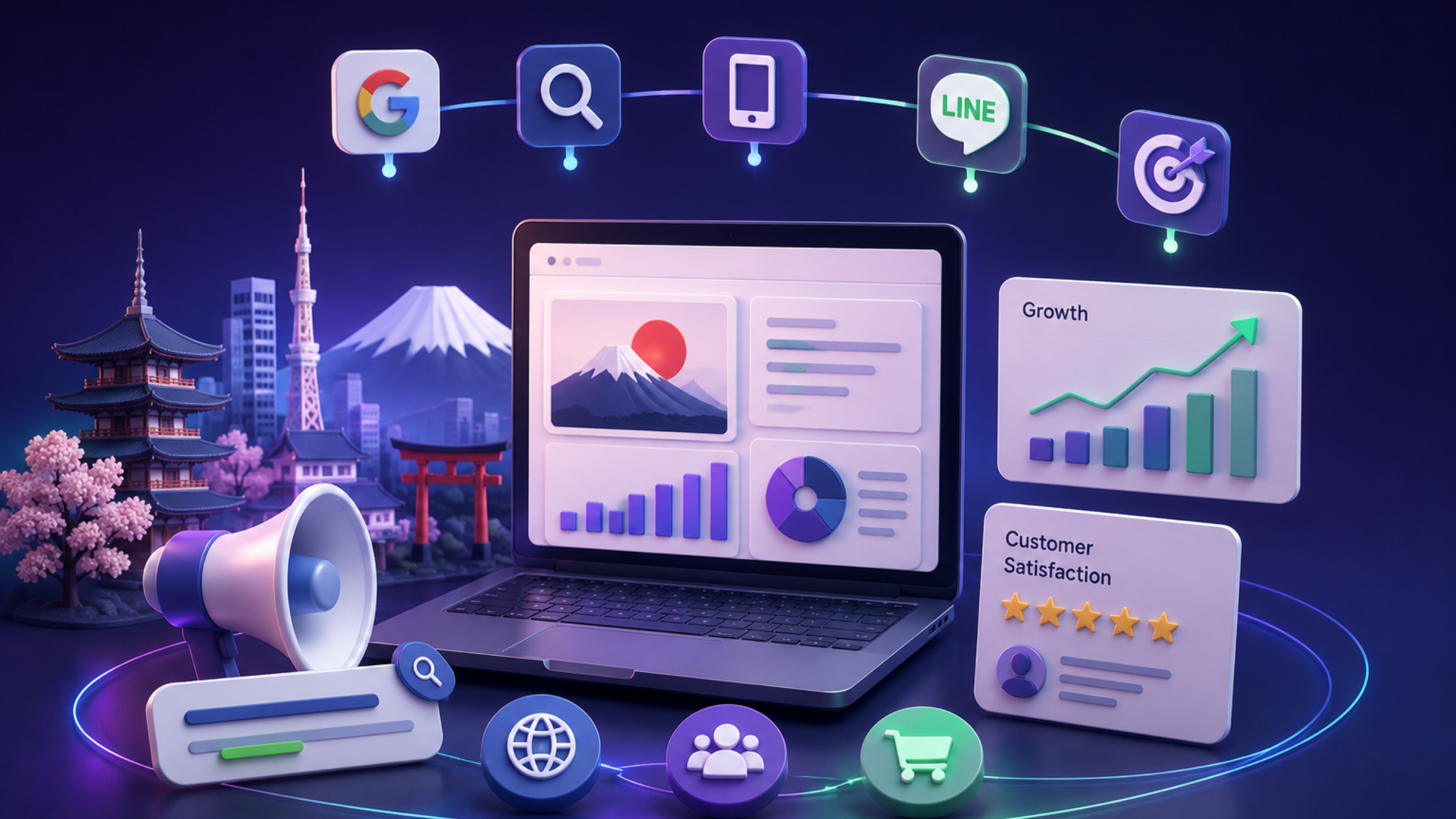
Why do foreign businesses fail in Japan? Learn the biggest mistakes and how to build lasting success.

Japan is one of the world's most attractive destinations for international businesses. With the world's fourth-largest economy, strong purchasing power, and consumers who value quality, expanding into Japan is an exciting opportunity for companies looking to grow internationally.
Yet every year, many foreign businesses struggle to establish themselves in the Japanese market.
Some launch successful advertising campaigns but generate very few enquiries. Others invest heavily in beautifully designed websites only to discover that visitors leave without taking action. Even well-known international brands sometimes fail to connect with Japanese consumers despite their success elsewhere.
The problem is rarely the product itself.
More often, businesses enter Japan assuming that strategies which performed well in their home market will naturally produce the same results here. However, Japanese consumers often evaluate companies, compare options, and make purchasing decisions differently from customers in North America, Europe, or Australia.
A website that feels modern overseas may appear incomplete in Japan. An advertisement built around urgency and discounts may not create the same impact. Even a perfectly translated website can struggle if it doesn't match local customer expectations.
Success in Japan isn't about changing who you are as a business.
It's about understanding how Japanese consumers think before they decide to buy.
In this guide, we'll explore the key differences that many foreign businesses overlook, explain why these differences matter, and share practical insights that can help you build a stronger presence in one of the world's most competitive markets.
One of the biggest surprises for foreign businesses entering Japan is discovering that a great advertisement isn't always enough to convince someone to become a customer.
In many Western markets, advertising is designed to persuade people quickly. Businesses highlight product features, competitive pricing, limited-time offers, and clear calls to action in the hope of generating immediate conversions.
Japanese consumers often approach purchasing decisions differently.
Rather than relying solely on what a company says about itself, many customers spend time looking for independent opinions before making a decision. Online reviews, testimonials, customer experiences, and recommendations from friends or colleagues often influence purchasing decisions just as much as advertising itself.
Instead of asking,
"Why should I buy this?"
many customers first ask,
"Can I feel confident buying from this company?"
That difference changes everything.
A strong reputation isn't created by advertising alone. It's reinforced by positive customer experiences, visible reviews, detailed case studies, and consistent service over time.
This is why many successful businesses in Japan proudly display customer testimonials, Google Reviews, awards, certifications, and real success stories throughout their websites. These elements help demonstrate credibility before a customer even makes contact.
For international businesses, advertising should be viewed as the beginning of the conversation not the reason someone decides to trust your company.
One of the first things many international business owners notice when browsing Japanese websites is how different they look compared to websites in Western countries.
Instead of large hero images, short headlines, and minimal text, many Japanese websites contain long pages filled with detailed information, customer testimonials, company profiles, FAQs, certifications, pricing, and multiple navigation options.
At first glance, some foreign businesses assume these websites are outdated or unnecessarily cluttered.
However, they're designed around a different customer expectation.
Many Japanese consumers prefer gathering as much information as possible before contacting a company. Rather than making quick decisions based on visuals alone, they often want to understand exactly who they're dealing with, how a service works, what previous customers experienced, and why the business deserves their confidence.
That's why long-form landing pages remain common across many industries in Japan.
Instead of encouraging visitors to make an immediate decision, these pages gradually answer questions, provide supporting evidence, and explain every important detail before asking someone to enquire or purchase.
A typical Japanese landing page may include:
Every section answers another question a potential customer might have.
This doesn't mean foreign businesses should copy traditional Japanese websites exactly. Customer expectations continue to evolve, and clean, modern design remains important.
The goal isn't to make your website look more "Japanese."
The goal is to provide the level of information that helps Japanese customers feel informed and confident before making a decision.
The most effective websites combine modern design with clear explanations, strong credibility signals, and an excellent user experience.
If you're interested in creating a landing page specifically for the Japanese market, explore our service Website Design for Businesses in Japan.

Another fascinating difference between Japan and many Western markets can be seen in advertising.
Watch a television commercial in the United States, Australia, or Europe, and you'll often see a product introduced within the first few seconds. The advertisement explains what the product does, why it's better than competitors, and why you should buy it today.
Japanese advertising often follows a very different philosophy.
Instead of focusing on features and specifications, many advertisements focus on creating a feeling.
A commercial may begin by telling a story, showing everyday life, or creating an emotional atmosphere long before the product appears on screen. Rather than asking viewers to buy immediately, the advertisement aims to create a memorable impression that strengthens the relationship between the customer and the brand.
This softer style reflects a broader communication approach found throughout Japan.
Many successful brands focus less on convincing customers through pressure and more on creating familiarity, emotional connection, and positive brand recognition over time.
The same principle applies online.
Marketing campaigns that educate, inspire, or tell meaningful stories often create stronger long-term relationships than campaigns built entirely around discounts or urgency.
This doesn't mean promotional campaigns don't work in Japan they certainly can.
However, businesses that balance storytelling, useful information, and authentic brand communication often build stronger relationships with customers than those relying only on aggressive sales messaging.
Many businesses preparing to enter Japan believe that translating their website into Japanese is the final step before launching.
Unfortunately, language is only one piece of the puzzle.
A perfectly translated website can still feel unfamiliar if the overall experience doesn't match what Japanese customers expect. Communication style, page structure, visuals, and even the order in which information is presented all influence how people perceive your business.
Localization goes beyond words.
It means adapting your business to fit the market you're entering while remaining true to your brand.
For example, direct marketing language that sounds confident in the United States may feel overly aggressive in Japan. Likewise, a website that immediately pushes visitors toward a purchase may overlook the amount of information many customers expect before making a decision.
Effective localization considers every customer touchpoint, including:
The goal isn't to make your business look Japanese.
The goal is to make Japanese customers feel comfortable doing business with you.
When businesses invest in localization instead of simple translation, they create a smoother customer experience that feels familiar, professional, and easier to trust.
If you'd like to learn more, read our guide:
Marketing in Japan vs Other Countries
One of the biggest mistakes foreign businesses make isn't choosing the wrong marketing channel.
It's expecting results too quickly.
Many companies enter Japan with ambitious sales targets and expect rapid growth within the first few months. When immediate results don't appear, they assume the strategy isn't working and begin changing campaigns, redesigning websites, or switching agencies.
In reality, sustainable growth in Japan often takes time.
Many Japanese customers don't make purchasing decisions after seeing a business only once. Instead, they become familiar with a company gradually through search engines, recommendations, reviews, social media, and repeated interactions.
Every positive experience builds confidence.
Every helpful piece of content increases familiarity.
Every satisfied customer strengthens your reputation.
This is why successful businesses rarely focus only on acquiring new customers. They also invest in building long-term relationships with the customers they already have.
Consistency often outperforms intensity.
A business that continuously delivers valuable content, excellent service, and a professional customer experience is far more likely to grow steadily than one relying on short-term promotional campaigns.
Patience isn't simply waiting.
It's consistently doing the right things while allowing your reputation to grow over time.
After achieving success in one country, it's natural to believe the same marketing strategy can simply be repeated somewhere else.
Many businesses launch the same Google Ads campaigns, reuse their existing landing pages, translate their website, and expect similar results.
Unfortunately, marketing doesn't work that way.
Every country has different customer expectations, search behavior, communication styles, and purchasing habits.
Japan is no exception.
The strongest marketing strategies don't begin with advertising.
They begin by understanding how customers discover businesses, what information they look for, and what influences their final decision.
Once those behaviors are understood, choosing the right marketing channels becomes much easier.
For many businesses entering Japan, a successful customer journey may look something like this:

Each stage supports the next.
Rather than depending on one platform, successful businesses build an ecosystem where every touchpoint strengthens the customer experience.
Search engines increase visibility.
A well-designed website answers important questions.
Customer reviews reinforce credibility.
LINE helps maintain long-term communication.
Social media keeps the brand visible.
Satisfied customers naturally become your strongest advocates.
When these channels work together, marketing becomes far more effective than relying on any single campaign.
If you're looking for a marketing partner in Japan, explore our services:
The businesses that succeed in Japan rarely rely on one marketing channel.
They build a connected system where every customer interaction supports the next, creating sustainable growth instead of short-term spikes in traffic.
While every company enters Japan with different goals, the businesses that achieve long-term success often share the same mindset.
Instead of assuming their existing strategy will work everywhere, they begin by learning how the local market operates. They observe customer behavior, study competitors, and adapt their communication without losing their brand identity.
Successful businesses also understand that credibility isn't created through one campaign or one great advertisement. It's built through consistent customer experiences, transparent communication, and delivering on the promises they make.
Rather than focusing only on acquiring new customers, they invest in building relationships that continue long after the first purchase. They create useful content, maintain an active online presence, encourage genuine customer feedback, and continuously improve their products and services based on customer needs.
Most importantly, they don't view marketing as a collection of separate activities.
Their website, search visibility, customer reviews, social media, and communication channels all work together to support the same goal: creating an outstanding customer experience.
Businesses that understand this often find that growth becomes much more sustainable because every satisfied customer creates opportunities for future referrals, repeat business, and stronger brand recognition.
Whether you're launching a startup or expanding an established international company, successful growth in Japan usually follows a similar journey.

Every stage builds upon the previous one.
Understanding the market helps you make better localization decisions.
Effective localization improves customer confidence.
A credible business makes every marketing channel perform better.
Satisfied customers return, recommend your business, and strengthen your reputation over time.
Instead of chasing quick wins, this approach creates a business that continues growing long after the first marketing campaign ends.
At Boostify, we believe successful marketing starts with understanding the market, not simply choosing the right marketing channels.
Expanding into Japan requires more than translating a website or launching advertising campaigns. It requires a deep understanding of customer behavior, local expectations, and the way purchasing decisions are made.
Our role is to help businesses bridge that gap.
We work with companies to develop digital marketing strategies that are built specifically for the Japanese market, helping them connect with the right audience, strengthen their online presence, and create sustainable business growth.
Rather than focusing on individual marketing tactics, we take a strategic approach that aligns every stage of the customer journey. From attracting new visitors to building credibility and encouraging long term customer relationships, every decision is made with one objective in mind: helping your business succeed in Japan.
Whether you are entering the Japanese market for the first time or looking to improve your existing strategy, Boostify provides the local expertise and strategic guidance needed to grow with confidence.
Many businesses underestimate how differently Japanese consumers evaluate companies before making a purchase. Understanding local expectations is often just as important as having an excellent product or service.
Many Japanese consumers prefer having detailed information before making an enquiry or purchase. Japanese landing pages often include customer testimonials, case studies, pricing, frequently asked questions, company information, certifications, and other credibility signals that help visitors make informed decisions before taking action.
Reviews and recommendations help customers evaluate a business from another person's perspective. Positive experiences shared by existing customers often carry significant influence when someone is comparing different companies.
No.
Translation changes the language.
Localization adapts the entire customer experience, including website structure, communication style, design, and marketing strategy.
That depends on your industry and target audience.
Many successful businesses combine SEO, Google Ads, Google Business Profile, social media, and LINE Marketing to create a connected customer journey rather than depending on a single channel. this blog might help you understand better Marketing in Japan
Many advertisements in Japan focus on creating emotion, familiarity, and long-term brand recognition instead of immediately persuading customers to make a purchase.
There is no universal timeline.
Businesses that consistently deliver value, maintain a professional presence, and invest in long-term customer relationships often build stronger and more sustainable growth than those focused only on short-term results.
If you're unfamiliar with the Japanese market, partnering with a local agency can help you better understand customer expectations, avoid common mistakes, and develop a strategy tailored to your business objectives.
Expanding into Japan presents enormous opportunities, but success requires more than translating your website or launching a few advertising campaigns.
Many foreign businesses struggle because they assume Japanese customers think, compare, and make purchasing decisions the same way customers do in other markets.
In reality, Japan has its own expectations, communication styles, and customer behaviors.
Businesses that take the time to understand these differences are far more likely to build lasting relationships, earn a strong reputation, and create sustainable growth.
The goal isn't to become a Japanese business.
It's to become a business that understands Japanese customers.
At Boostify, we help international businesses bridge that gap through localized digital marketing strategies designed specifically for the Japanese market.
Whether you're preparing to enter Japan or looking to improve your existing presence, understanding your customers is always the best place to begin.
Japan isn't impossible to succeed in.
It simply rewards businesses that understand its customers.
The foreign brands winning here right now are not always the biggest or the best funded. They are the ones that arrived with genuine curiosity about the market — that took the time to understand how Japanese consumers think before they tried to sell to them and built a strategy that reflected what they found.
Companies willing to adapt their communication, earn credibility before asking for a sale, and invest in long-term relationships often discover one of the world's most loyal and valuable customer bases.
That is what Japan offers the businesses patient enough to build for it.
Boostify is a bilingual digital marketing agency in Tokyo, Japan, helping foreign companies, startups, and businesses grow through SEO, Google Ads, social media marketing, web design, and content strategy all under one bilingual roof.