
Social Media
Why Social Media Marketing in Japan Is Different From Other Countries | Boostify Japan
Why do social media strategies fail in Japan? Discover the platforms, behaviors, and trends driving growth.

Boostify
July 17, 2026
Why do social media strategies fail in Japan? Discover the platforms, behaviors, and trends driving growth.

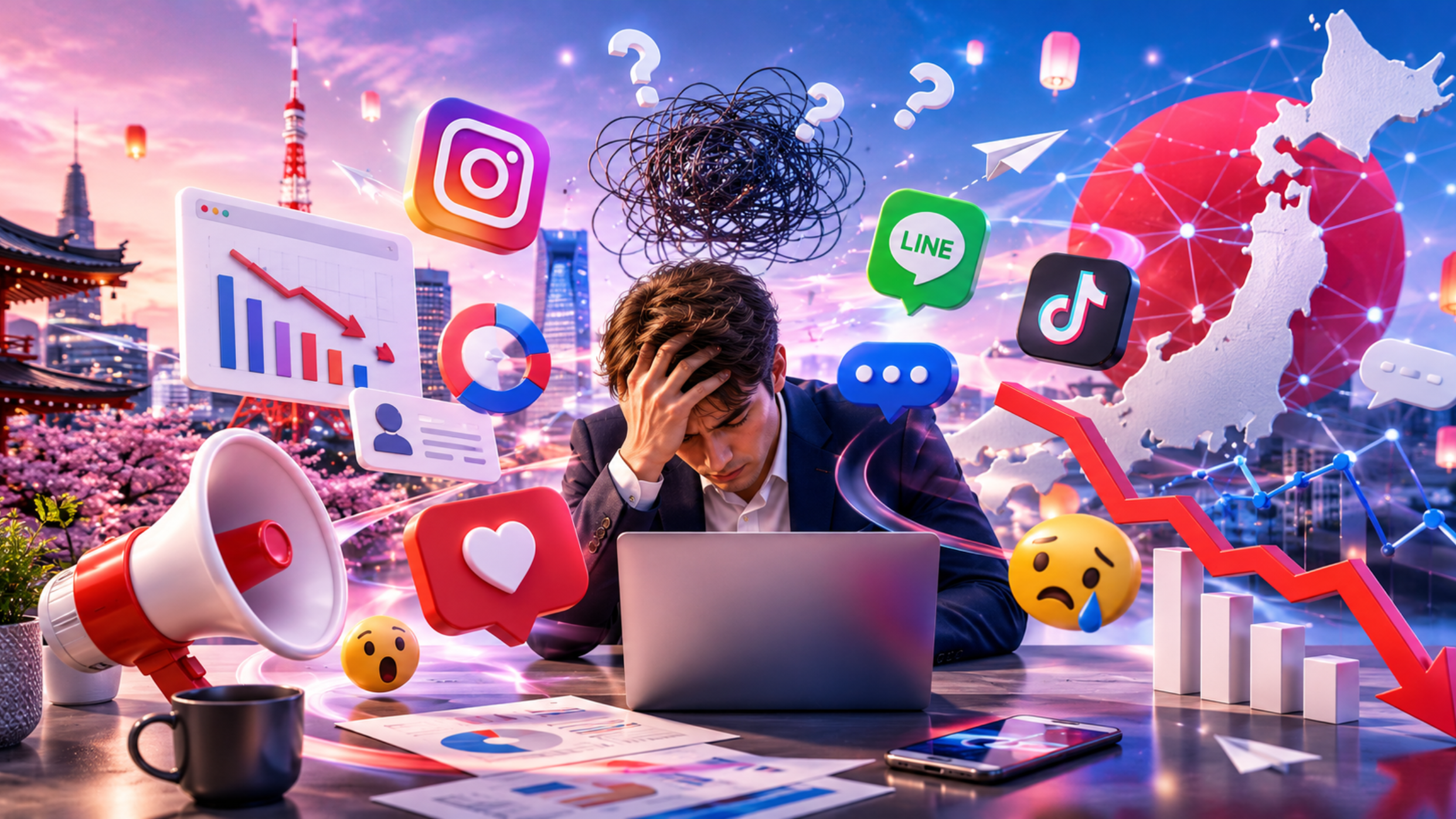
A business launches a social media campaign with high expectations. The content is professionally designed, the messaging is clear, and the strategy has already delivered strong results in other markets. Confident in their approach, the company expands into Japan and applies the same social media strategy, expecting similar growth.
However, the results are often very different.
Months pass, engagement remains lower than expected, website traffic fluctuates, and inquiries fail to materialize. Despite investing time, effort, and budget into content creation, growth never quite takes off. This situation is surprisingly common among businesses entering the Japanese market.
The problem is rarely the product or service itself. More often, the challenge comes from assuming that social media marketing works the same way everywhere. While platforms such as Instagram, TikTok, LINE, and X are widely used in Japan, consumer behavior, trust-building, and purchasing decisions are often very different from those in other countries.
Understanding these differences is essential for businesses that want to build a successful social media marketing strategy in Japan. Whether you are a startup, an established company, or an international business entering the Japanese market, adapting your approach can significantly improve your chances of success.
One of the biggest misconceptions about social media marketing in Japan is that success can be achieved simply by translating existing content into Japanese. While translation may make content understandable, it does not make it relevant. Successful marketing requires localization, and there is a significant difference between the two.
Localization means understanding how people think, what they value, how they discover businesses, and what influences their purchasing decisions. A campaign that performs exceptionally well in one market may fail completely in Japan because the audience responds differently to messaging, content formats, and brand communication.
Japanese consumers often take a more careful approach when evaluating businesses online. Before making a purchase or submitting an inquiry, many people will visit a company's website, review previous content, compare competitors, and search for additional information. This creates a longer and more research-driven customer journey than many businesses expect.
As a result, social media marketing in Japan is not simply about generating attention. It is about building credibility, consistency, and trust over time. Businesses that focus only on gaining followers or chasing viral content often struggle to generate meaningful business results because visibility alone does not guarantee trust.
This is one reason why successful businesses treat social media as part of a larger digital marketing ecosystem. Social media may help potential customers discover your brand, but long-term growth often depends on how effectively it works alongside your website, content strategy, and SEO strategies in Japan. Businesses that understand this relationship are typically far better positioned to attract qualified leads and build sustainable growth in the Japanese market.
For companies entering Japan, the goal should not be to replicate a strategy that worked elsewhere. The goal should be to build a strategy specifically designed for Japan.
One of the biggest differences between social media marketing in Japan and many other markets is the role trust plays in the buying process.
Many businesses entering Japan focus heavily on attention. They want more followers, more likes, more views, and more engagement. While these metrics can be useful indicators of visibility, they do not always translate into inquiries, customers, or long-term business growth.
Japanese consumers are often more cautious when interacting with brands online. Rather than making quick decisions based on a single piece of content, many people take time to evaluate a company before taking action. They may visit a website multiple times, review social media profiles, compare competitors, read reviews, and look for signs of professionalism before contacting a business.
This behavior changes how successful social media marketing strategies are built.
Instead of focusing solely on creating viral content, businesses should focus on creating consistent content that builds credibility over time. A company that regularly shares valuable insights, educational content, customer success stories, and industry expertise is often viewed as more trustworthy than a company that only focuses on promotional posts.
This does not mean creativity is unimportant. High-quality visuals, engaging videos, and entertaining content can still play an important role. However, in Japan, trust often has a greater influence on purchasing decisions than attention alone.
For example, imagine two businesses offering similar services. One has a social media account with thousands of followers but inconsistent branding, limited information, and very little evidence of expertise. The other has fewer followers but consistently publishes useful content, maintains a professional website, and demonstrates a clear understanding of its industry. In many cases, the second business is more likely to earn trust and generate inquiries.
This is why successful social media marketing in Japan is often a long-term strategy rather than a short-term growth hack. Building credibility takes time, but the businesses that invest in trust-building are often rewarded with stronger customer relationships and higher-quality leads.
Trust also extends beyond social media itself. Potential customers frequently move between channels before making a decision. They may discover a business through Instagram, search for it on Google, visit its website, and then return to social media before making contact. This is why social media performs best when supported by strong website design services in Japan and a well-planned digital marketing strategy.
Another reason social media marketing in Japan differs from other countries is the unique role that each platform plays within the customer journey. Many businesses assume that every platform serves the same purpose everywhere, but platform behavior can vary significantly between markets.
Understanding where your audience spends time and how they use each platform is essential for creating an effective strategy.
When discussing social media marketing in Japan, it is impossible to ignore LINE. While many international businesses focus exclusively on platforms such as Instagram or TikTok, LINE remains one of the most influential digital communication platforms in the country.
Businesses use LINE to share promotions, deliver updates, provide customer support, and maintain long-term relationships with customers. Because it functions as both a messaging platform and a marketing channel, LINE often plays a unique role in customer retention and engagement.
For many businesses, LINE is not simply another social media platform. It is an important communication tool that helps strengthen customer relationships over time.
Instagram continues to be one of the strongest platforms for brand discovery and visual storytelling. Japanese consumers frequently use Instagram to research products, discover businesses, explore local services, and evaluate brands before making purchasing decisions.
Successful Instagram marketing in Japan focuses on authenticity, consistency, and quality. Rather than overwhelming audiences with promotional messages, businesses often achieve better results by creating content that informs, inspires, and builds trust.
For many brands, Instagram serves as a digital storefront where potential customers form their first impression of a business.
TikTok has experienced significant growth in Japan and continues to attract both consumers and businesses. While many people associate TikTok with entertainment, it has become an increasingly valuable platform for brand awareness and audience growth.
Businesses can use TikTok to showcase products, share behind-the-scenes content, demonstrate expertise, and connect with younger audiences in a more engaging format. As social commerce continues to expand, TikTok is becoming an increasingly important part of many digital marketing strategies.
Companies that understand how to create platform-specific content often gain a competitive advantage over businesses that simply repost content from other channels.
Japan remains one of the strongest markets for X. Unlike some countries where platform usage has declined significantly, X continues to play an important role in conversations, news sharing, and community engagement.
For businesses, X can be a valuable platform for increasing visibility, participating in industry discussions, and maintaining ongoing engagement with audiences. In certain industries, it remains one of the most effective channels for building awareness and staying relevant.
The key takeaway is simple: successful social media marketing in Japan is not about choosing one platform and ignoring the rest. It is about understanding how each platform contributes to the customer journey and building a strategy that aligns with your business goals.
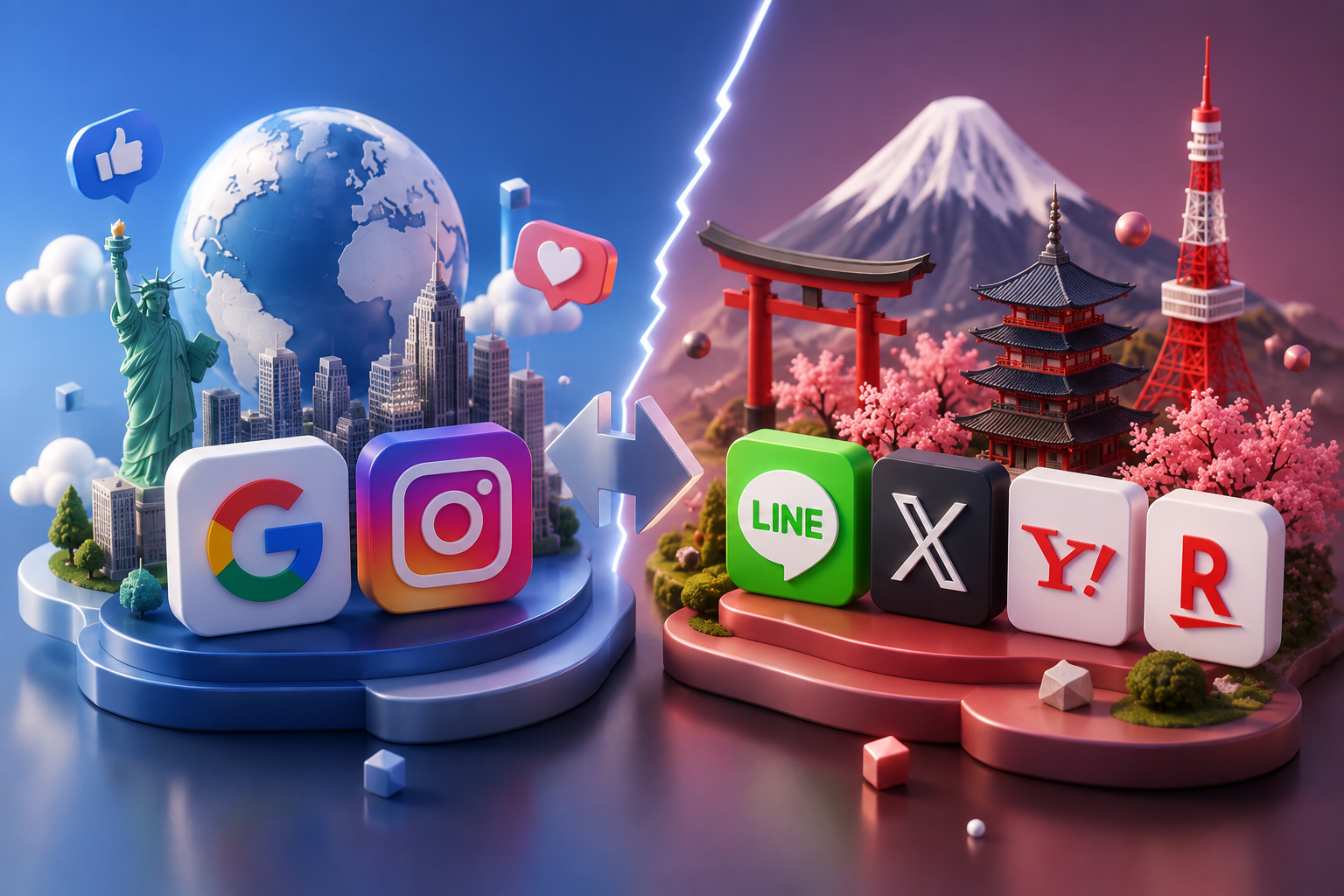
Many businesses enter Japan with a proven social media strategy and assume the same approach will generate similar results. Unfortunately, this assumption often leads to disappointment.
One of the most common mistakes is focusing on translation instead of localization. While translating content makes it understandable, it does not make it relevant to the local audience. Japanese consumers often respond differently to messaging, tone, visuals, and brand communication. Content that performs exceptionally well in one market may fail to resonate in Japan because the audience expects something different.
Another common mistake is using the same content strategy across every market. Consumer behavior is not universal. The topics that generate engagement elsewhere may not attract the same level of interest in Japan. Businesses that fail to adapt their content strategy often struggle to build meaningful connections with their audience.
Many companies also focus too heavily on vanity metrics. Follower counts, likes, and views can create the illusion of success, but they do not always contribute to business growth. A company with a smaller but highly engaged audience may generate significantly more leads than a business with thousands of followers and little trust.
Perhaps the biggest mistake is viewing social media as a shortcut to growth. Successful businesses in Japan understand that social media is a long-term investment. Building credibility, authority, and trust takes time, but these factors often have a greater impact on results than short-term spikes in engagement.
The companies that achieve the best results are not necessarily the ones creating the most content. They are the ones creating the most relevant content for their audience.
Social media is a powerful marketing channel, but it rarely works in isolation.
A potential customer might discover your business through Instagram. They may later search for your company on Google, visit your website, read your content, compare competitors, and only then decide whether to contact you.
This is why successful businesses treat social media as one part of a larger digital marketing strategy.
For example, social media can increase awareness and engagement, but your website is often where trust is established. A poorly designed website can undermine even the strongest social media campaign, while a professional website can significantly improve conversion rates. Businesses interested in improving their online presence should understand how much a professional business website costs in Japan and how their website contributes to overall marketing performance.
[How Much Does a Website Cost in Japan in 2026]
Search engines also play an important role. Many potential customers who discover a business through social media will later search for that business online. Strong SEO strategies to rank higher on Google in Japan help ensure that your company remains visible during that research process and continues attracting qualified traffic long after a social media post has been published.
[How to Rank on Google Japan as a Foreign Business]
Businesses looking for sustainable growth often invest in SEO services in Japan to improve search visibility, increase organic traffic, and generate qualified leads over the long term.
Paid advertising can further accelerate growth by placing your business in front of highly targeted audiences. Combining social media with a Google Ads agency in Tokyo allows businesses to increase visibility, generate leads, and support long-term growth.
The most successful companies understand that social media, SEO, paid advertising, and website optimization are not separate strategies. They are components of a single growth system that work together to attract, nurture, and convert potential customers.
Businesses that want stronger conversion rates, improved user experience, and a more professional online presence often invest in a website design company in Japan that understands both marketing and business growth.
[Website Design Service in japan]
Businesses that consistently succeed in Japan tend to share several common characteristics.
First, they prioritize trust over short-term attention. Rather than chasing viral trends, they focus on creating content that demonstrates expertise and builds credibility over time.
Second, they localize their marketing strategy. They invest time in understanding the Japanese market, adapting their messaging, and creating content that feels relevant to local audiences.
Third, they maintain consistency. Building a strong online presence rarely happens overnight. Successful businesses understand that sustainable growth comes from publishing valuable content, maintaining an active presence, and continuously improving their marketing efforts.
Finally, they view social media as part of a larger strategy rather than a standalone solution. They understand how social media connects with SEO, website performance, paid advertising, and customer experience.
These businesses are not necessarily spending more money than their competitors. They are simply building a stronger foundation for long-term growth.
At Boostify, we understand that growing a business in Japan requires more than simply posting content on social media.
As a bilingual marketing agency in Tokyo, we help businesses create marketing strategies specifically designed for the Japanese market. Our goal is not just to increase followers or engagement. Our goal is to help businesses generate real growth.
[bilingual marketing agency in Tokyo]
We combine social media marketing, SEO, website design, content marketing, and paid advertising into one unified strategy. Instead of managing multiple agencies and freelancers, businesses can work with a single team that understands how each marketing channel contributes to overall performance.
Whether you are a startup entering Japan, a local business looking to increase visibility, or an international company expanding into the Japanese market, our approach is built around sustainable growth rather than short-term marketing trends.
As a social media marketing agency in Tokyo, we help businesses build trust, improve visibility, attract qualified leads, and create a stronger digital presence across multiple channels.
[Social Media Marketing Service Page]
If you're looking for a partner that understands both international business and the Japanese market, contact our team to discuss how a customized digital marketing strategy can help your business grow in Japan.
Because in today's competitive market, success is not about being visible for a moment.
It is about building a brand that people trust.